High Speed Rail Sweden
In Sweden, many trains run at a speed of 200 km/h (125 mph); some models are allowed to reach 205 km/h (127 mph) when delayed, and technically, these are classified as high speed trains. Notable trains reaching these speeds include the X 2000, designed for long-distance travel between major cities such as Stockholm, Gothenburg, and Malmö; Regina Widebody Trains; X40 double-decker regional trains; and Arlanda Airport Express X3, which connects Stockholm to Stockholm-Arlanda Airport. Additionally, MTRX trains and Stadler KISS-inspired double-decker regional trains also retain these fastest trains capabilities, ensuring efficient regional and intercity connectivity across Sweden’s rail network.
High Speed Rail Sweden Current Plans – Upgrades to Existing lines
High Speed Rail Sweden infrastructure includes hundreds of kilometers of track designed for speeds of 250 km/h (155 mph). However, limitations in signalling systems, overhead catenary, and current train technology prevent these speeds from being regularly operated. A notable train speed test of the Regina train, known as the “Green Train”, achieved a top speed of 303 km/h (188 mph), although regular services at 250 km/h have not yet been implemented. Plans to upgrade a 180 km section of the Stockholm – Malmö line to these speeds have been postponed, pending a decision on the construction of a new high speed rail Sweden.
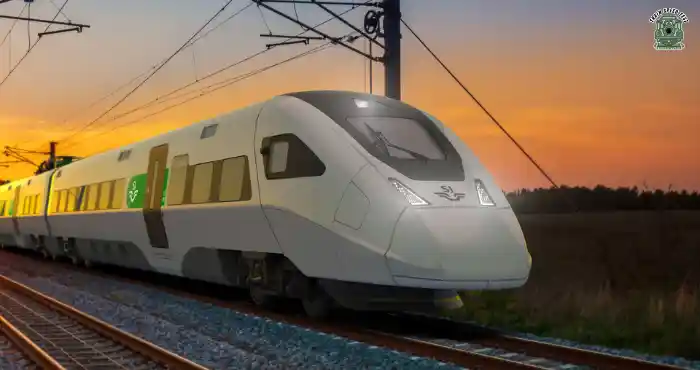
Other routes, including sections between Stockholm-Gothenburg, Gothenburg-Malmo, and Trollhatten-Gothenburg, are also candidates for 250 km/h speeds. The Kramfors–Umeå Botniabanan line, in operation since 2010, supports speeds of 250 km/h with EU-wide ERTMS signaling, but operators have not announced plans to introduce high speed services there. Sweden’s ATC signaling system theoretically allows speeds of up to 250 km/h but requires significant upgrades, such as adding new transmission points and updating equipment. Currently, SJ operates X55 trains capable of 250 km/h, although they are limited to 200 km/h until further upgrades. Additionally, SJ ordered 25 Zefiro Express trainsets from Bombardier Alstom in 2021, with a top speed of 250 km/h, planned for service in 2026.
New Train Sets
In December 2021, Swedish rail operator SJ ordered 25 high speed Zefiro Express train sets, capable of reaching 250 km/h (155 mph), scheduled to enter service in 2026. Supports Stockholm and Gothenburg or Malmö, as well as cross-border routes. In Denmark and Norway which eventually connects to the other European countries with high speed trains in Europe and connects with railway system to far ends of Europe like Italy railways or Switzerland railway. The acquisition was part of a long-term vision to take advantage of the planned high speed main lines connecting Stockholm to Gothenburg and Malmö via Jönköping.
However, a recent directive from Prime Minister Kristerson’s government directed the Swedish transport agency, Trafikverket, to halt progress on these high speed mainline projects, leaving the future use of the full-speed capabilities of Zefiro trains in jeopardy. Uncertainty arose.
New Lines In High Speed Rail Sweden
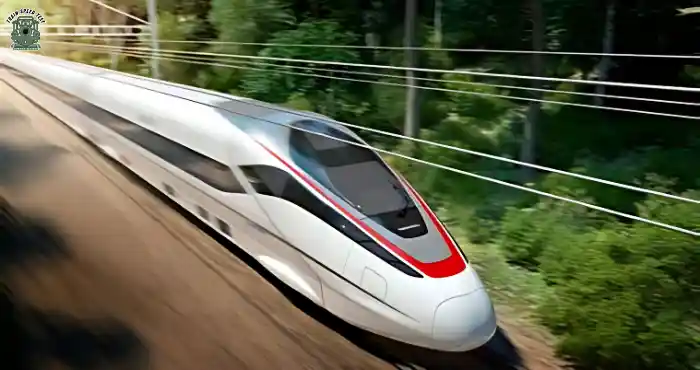
Sweden initially had ambitious plans to build high speed railways, such as Götalandsbanan, connecting Stockholm–Linköping–Jönköping–Boras–Gothenburg, and Europabanan, connecting Jönköping to Helsingborg and Copenhagen. Modelled after the French TGV, the new lines will be dedicated to high speed passenger trains running at speeds of 300–320 km/h (190–200 mph), designed for long curves and steep gradients. , which relieves congestion on mixed-use tracks. Which accommodates both high speed passenger and slow freight trains. Sweden’s interest in the high speed project has drawn international attention, with Chinese companies expressing interest in the Stockholm-Oslo line in 2018 and US engineering firm Jacobs Engineering Group being awarded a consultancy contract.
However, at the end of 2022, new centre-right government halted the high speed rail Sweden project due to rising costs, prompting Trafikverket to discontinue the plan and reschedule limited sections, such as Borås–Gothenburg and Ostlänken (Stockholm–Linköping). Directed review of cost-saving measures. The change, which aims to strengthen regional services on a national high speed network, has drawn criticism: Sweden’s busy southern and western main lines are already at full capacity, increasing passenger and freight services.
Are complicating efforts to support the EU’s emissions reduction targets. Critics argue that upgrading existing lines to a four-track system instead of building new dedicated lines could result in long-term construction disruptions and risks, as any incident would affect the entire rail network in affected sections.
Major Expansion Projects
|
Line |
Speed |
Length |
|---|---|---|
|
The North Bothnia LineNorrbotniabanan |
250 km/h (155 mph) |
270 km |
|
The West LinkVästlänken |
100 km/h (62 mph) |
6 km |
|
The East LinkOstlänken |
250 km/h (155 mph) |
160 km |
|
Gothenburg Boras Double Tracks |
250 km/h (155 mph)? |
60 km |
|
Hassleholm- LundQuad Tracks |
250 km/h (155 mph)? |
60 km |
Future Proposals
The Borås–Jönköping–Linköping line of Götalandsbanan, and a Jönköping–Hässleholm line, Europabanan, which provides a new national network in southern Sweden, were included in the official plans for investigation by the traffic administration. They have been given shelter without a set date for recovery.
Other projects are still being presented by cities and municipalities that have conducted preliminary investigations for these projects, without being part of a national plan
Travel Times
|
Gothenburg – Stockholm |
Malmö – Stockholm |
|
|---|---|---|
|
Trains (2009) |
3:05 |
4:25 |
|
Improvements on current railways according to 2020 plans- Malmö City Tunnel (opened December 2010) – 10 min faster- 250 km/h trains (2026 – SJ Zefiro Express) – 15 min faster- More tracks (for higher capacity) – 10 min faster |
2:40 |
4:00 |
|
Ostlänken and Götalandsbanan (built 2035 and 2045?)- Stockholm to Nässjö – 45 min faster |
2:15 |
3:15 |
|
Proposed Europabanan built |
2:15 |
2:40 |
|
By plane, including check-in (2009)- including transportation to city centers, hand luggage only, priority security check.- Kastrup-Arlanda is with checkin but without ground transportation, and is relevant for those who change plane at Kastrup which many do |
2:30 |
2:30 |
Conclusion
High speed rail Sweden is constantly evolving, with high speed trains and ambitious infrastructure projects aimed at improving travel efficiency across the country. While trains such as the X 2000 and Zefiro Express offer high speed connections between major cities, there are still challenges, such as outdated signaling systems and delays to planned high speed rail projects. However, Sweden is committed to upgrading its track and introducing new trains, ensuring that future travel is faster, more efficient and more accessible. Despite setbacks in some projects of high speed rail Sweden, the overall vision for a better rail system continues, making travel across Sweden smoother and faster for all passengers.