The Fastest Trains in Germany: High-Speed Rail Travel Guide
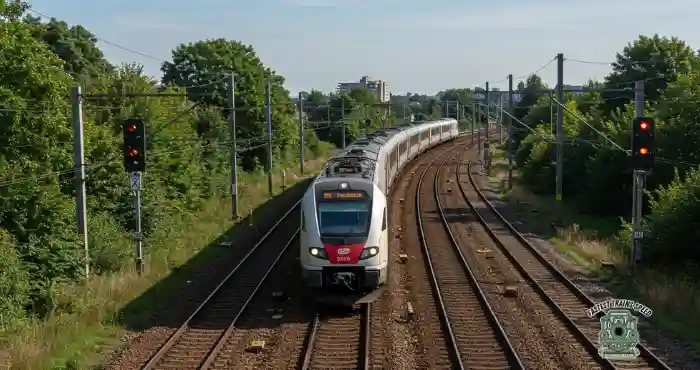
The Intercity Express (ICE) is Germany’s primary high speed rail system. Major cities throughout the nation are connected by it, as are some in nearby nations including France, Austria, Switzerland, and the Netherlands. High Speed Trains In Germany can achieve 320 km/h (200 mph) in a train speed test. The rail infrastructure makes Germany suitable for world fastest trains.
Fastest Trains in Germany
In addition to being quick, Germany’s high speed rail system is a component of a larger rail system that easily connects the country’s largest cities like train from Cologne to Munich Germany makes intra state travel easy. With features like Wi-Fi, quiet areas, modern amenities, and roomy seating, routes are made to maximize comfort and time.
Important Domestic Routes For High Speed Trains In Germany
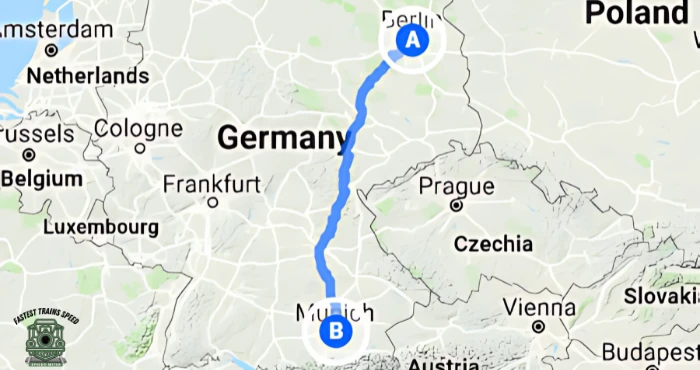
Berlain ⇄ Munich
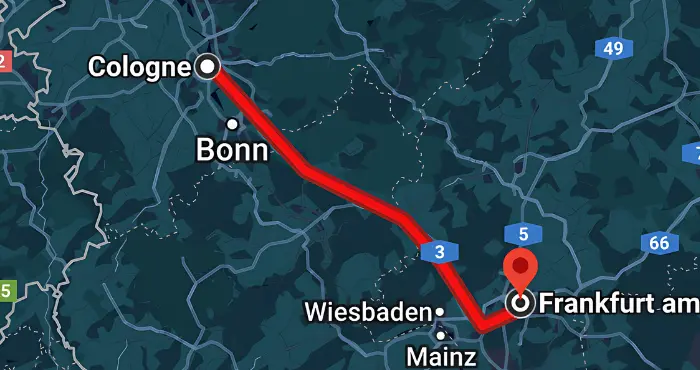
Cologne to Frankfurt

Hamburg to Cologne
Important International Routes For Fastest Trains In Germany
Fastest Trains in Germany are among some of the best and fastest trains of Europe. I connects the north and northeast part of the Europe with western and southern countries of Europe.
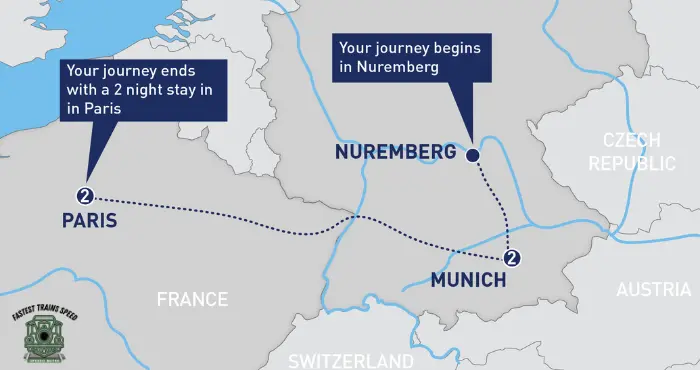
Munich Germany to Paris France by Train
Frankfurt to Brussels
Overview of Germany long distance train
|
Train name |
Max speed km/h |
Characteristics |
|---|---|---|
|
ICE 1 |
280 |
The first high-speed train in Germany with dining cars and roomy seats |
|
ICE 2 |
280 |
able to divide into two trains for convenience |
|
ICE 3 |
300 |
Aerodynamic design, fastest in Germany |
|
ICE 3neo |
300 |
Modern furnishings, eco-friendly features, and improved Wi-Fi |
|
ICE T |
230 |
Technology that tilts for curved surfaces and expansive vistas |
|
ICE 4 |
250 |
High capacity and energy efficiency (500 seats) |
|
IC 1 |
200 |
Vintage, restored long-distance carriages |
|
IC2 |
160 |
Double-decker, additional seating |
|
ICE Sprinter |
300 |
Fastest city connections and less pauses |
Difference between ICE 3 ICE 4
Both falls among the fastest trains in Germany but has thier own specification. Difference between in ICE3 and ICE4 are mention below in the table.
|
Characteristics |
ICE 3 |
ICE 4 |
|---|---|---|
|
Maximum speed (km/h) |
300 |
250 |
|
Efficiency of Energy |
Standard |
Almost 20% more efficient |
|
Routes |
Almost 400 seats |
Almost 500 seats |
|
volume |
Cologne to Frankfurt |
Berlin to Munich (long-distance) |
Germany High Speed Trains & Types
Numerous high speed and intercity trains run by Deutsche Bahn are tailored to specific routes and traveler requirements. These Fastest trains in Germany not only provides traveling services but also make sure to offer all advanced facilities.
ICE 1: The High-Speed Rail Pioneer
ICE 2: Adaptable & Connected for Extended Travel
Germany’s Speed Champion, the ICE 3 (300 km/h)
ICE 3neo
ICE T
The New Workhorse, ICE 4
IC1 (Intercity 1)
Intercity 2 (IC 2): The Experience of Two Deckers
ICE Sprinter: Quick and Straightforward with Fewer Stops
Why To Opt Fastest Trains In Germany?
Traveling on fast trains Germany involves more than just getting where you’re going fast. It also concerns:

Information about Reservations and Tickets
Tickets for fastest trains in Germany can be conveniently purchased through:
Types of Tickets
Note: To get the best deals, book in advance, especially for busy routes like the train from Cologne to Munich, Germany, or the train from Munich, Germany, to Paris, France.

Germany’s High-Speed Rail Future
Germany is spending money on infrastructure and trains of the future. The future enhancements will include:
With this extension, Germany’s current fast train system will become even more efficient, environmentally friendly, and easily accessible in the years to come.
Comparison of Well-Known European Train Routes
Comparison of Well-Known European Train Routes are mention in the table given velow
|
Routes |
Max. Distance (km) |
Total train/day |
|---|---|---|
|
Madrid to Barcelona |
505 |
Almost 40 trains per day |
|
Rome to Florence |
231 |
56 trains per day |
|
Paris to Amsterdam |
431 |
10 trains per day |
|
Berlin to Munich |
585 |
Almost 25 trains per day |
|
Vienna to Budapest |
212 |
13 trains per day |
|
London to Edinburg |
534 |
24 trains per day |
|
Barcelona to Valencia |
303 |
10 trains per day |
|
Rome to Naples |
186 |
Approx. 55 trains per day |
|
Florence to Venice |
204 |
12 trains per day |
|
Prague to Vienna |
254 |
16 trains per day |
Travel Advice
Conclusion
In terms of high speed rail technology, Germany’s ICE trains set the standard. The ICE offers a combination of speed, safety, and style whether you’re travelling across the nation from Cologne to Munich or travelling the train from Florence, Italy to Munich, Germany. High speed train services in Germany continue to set the benchmark for rail travel in Europe thanks to their remarkable infrastructure, global reach, and ambitious future ambitions.
The fastest train in Germany is the best option if you want to travel throughout Europe in an economical, efficient, and environmentally responsible manner.